
Counselling for survivors of domestic abuse in Uxbridge
A calm, confidential and non-judgemental space to be heard, at your pace, whenever you're ready.
A supportive space, in your own time
Living with, or recovering from, domestic abuse can leave you feeling frightened, exhausted, isolated or unsure of yourself. Abuse isn't only physical: it can be emotional, psychological, financial, coercive or controlling, and its effects can run deep and last long after the relationship has ended. Whatever you've experienced, it was not your fault, and your feelings are valid.
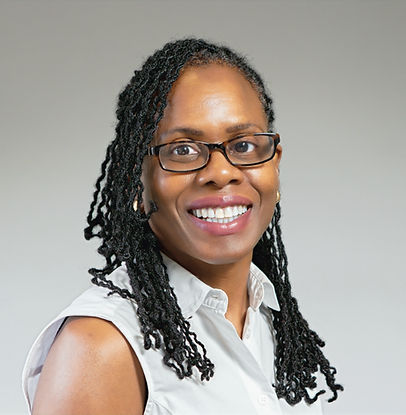
I'm Lydia Nightingale, a person-centred counsellor in Uxbridge. I have extensive experience supporting survivors of domestic abuse, including several years with the Woman's Trust, where I worked with women from many different backgrounds. I offer a warm, steady and completely non-judgemental space where you can talk, or simply be, without pressure to explain or justify anything.
There's no expectation to share more than you want to. We move at your pace. My role isn't to tell you what to do; it's to walk alongside you while you find your own footing, rebuild your sense of self, and decide what feels right for you.
What survivors often bring to sessions
Everyone's experience is different. You don't need to be in crisis to reach out. People come to counselling to work through things like:
Rebuilding self-worth
Recovering the confidence and sense of self that abuse can erode, and learning to trust your own judgement again.
Anxiety & hypervigilance
Understanding the fear, on-edge feelings and difficulty relaxing that can follow living with abuse.
Guilt, shame & self-blame
Gently untangling the shame and self-blame that abusers so often leave behind, none of which belongs to you.
Healthy relationships
Making sense of what happened, recognising patterns, and thinking about what safe, respectful relationships feel like.
Grief & loss
Space to grieve the relationship you hoped for, the time lost, or the version of life you imagined.
Finding your footing
Support through the practical and emotional upheaval of leaving, separating, or simply moving forward.
How I work, and what I'm honest about
My approach is person-centred and trauma-informed. That means I take your lead, move at a pace that feels safe, and never push you to revisit anything before you're ready. Feeling in control of the process is part of the healing.
I want to be clear and honest about what I offer. I'm a person-centred counsellor, not a crisis service, and not a clinical trauma specialist. I don't provide treatments like EMDR or clinical PTSD therapy. If that kind of specialist support would help you, I'll happily talk it through and help you find it. There's no wrong door, and asking is always okay.
If you'd like, you're welcome to bring creativity into our work: writing, images, anything that helps you express what words alone can't. It's never required; it's simply there if it helps.
Supporting survivors across Uxbridge & Hillingdon
I offer in-person counselling in Uxbridge (UB8) and online across the UK, supporting people throughout the UB8, UB9, UB10 and UB11 postcode districts, including Uxbridge, Hillingdon, Cowley, Ickenham, Ruislip, Hayes and West Drayton. If travelling feels difficult or unsafe, online and telephone sessions mean you can be supported from wherever feels safest for you.
You might also explore
Domestic abuse often touches other areas of life. These spaces may help too:
Frequently asked questions
Do I have to talk about everything that happened?
Is what I tell you confidential?
Where are you based, and do you offer online sessions?
Which areas do you cover around Uxbridge?
Can you help if I'm still in the relationship?
Are you a trauma or PTSD specialist?
Reaching out takes courage
Whenever you're ready, a free, no-pressure 20-minute telephone consultation is a gentle place to start. There's no commitment, just a chance to talk and see if we're a good fit.
Prefer to message? Reach me on WhatsApp.